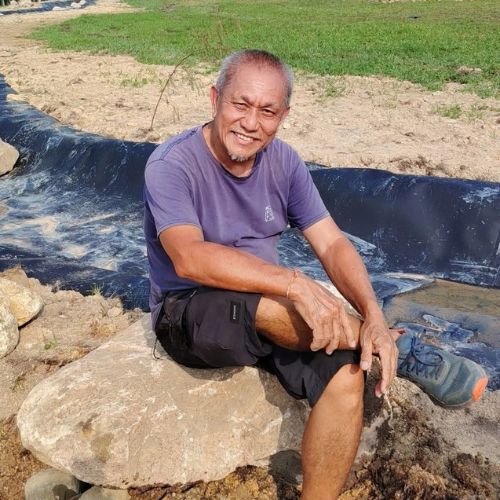
David Lok
Chief JudgeOverall program feedback“Your program offers a good exercise in patience and observation for the participants, which are aspects that normal schools are currently lacking.”
🏆 Grow Hope 30-Day Challenge
Announcing our winners & judges' reviews
Children from 8 states grew a plant for 30 days and recorded what they noticed. Completed means all three checkpoint photos or a Drive link submitted.
We asked our judging panel three key questions about the submissions. Here is what they had to share about the students' amazing efforts.
“Your program offers a good exercise in patience and observation for the participants, which are aspects that normal schools are currently lacking.”

What stood out to you most in these winning submissions?
As an organiser, I was already impressed by the many different ways all 15 children expressed themselves. It shows how diverse we are: each of us thinks, feels and acts in our own way. Their determination to finish the challenge showed real strength and resilience. Every child observed their plant from a different angle, and it was especially endearing to see them keep writing a daily report even when their plant refused to grow. I wish I had enough prizes for everyone who completed the challenge, but in the end we had to narrow it down to five winners.
Why did you choose these entries as winners?
Looking through each winner's work, I could clearly see the traits that made them stand out:
What do you hope children will learn from this 30-Day Grow Hope Challenge?
I hope they develop a better attitude towards vegetables, understand where their food comes from, and realise how long each plant takes to grow. As they grow up, I hope this gives them a different perspective and helps them make choices that live in greater harmony with nature. Observation is also the mother of creativity and innovation, so I hope this challenge inspires them to look at the world with more patience and perseverance.
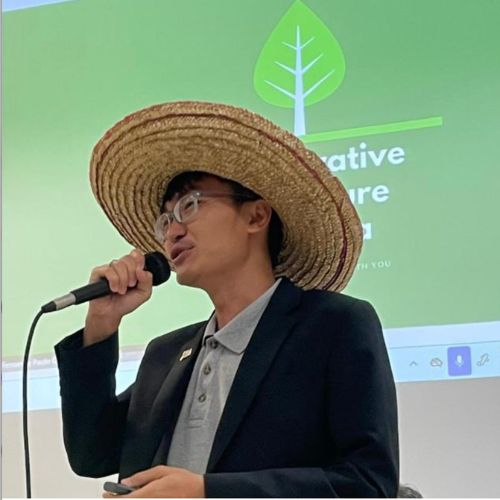
What stood out to you most in these winning submissions?
Many of the submissions surprised me with their level of detailed scientific observation. However, the ones that stood out the most are those who showed an “X-Factor” by thinking out of the box in order to present their submission with an added flair of creativity.
Why did you choose these entries as winners?
The winning entries all showed extraordinary patience, perseverance, and commitment towards fulfilling this 30 days challenge. This is no small feat of dedication especially in this modern world of fast pace technological distractions, where the simple wonders of a growing plant can easily be overlooked or neglected.
What do you hope children will learn from this 30-Day Grow Hope Challenge?
Just like with planting any seed, this 30 Day Challenge signifies the very first steps for many children in understanding the natural world. It is my sincere hope that these young hearts and minds will continue to foster their love, patience, knowledge and empathy for all living things so that we may all live in a better world tomorrow. As I like to say, “HOPE” stands for “Healing Our Planet Earth”!
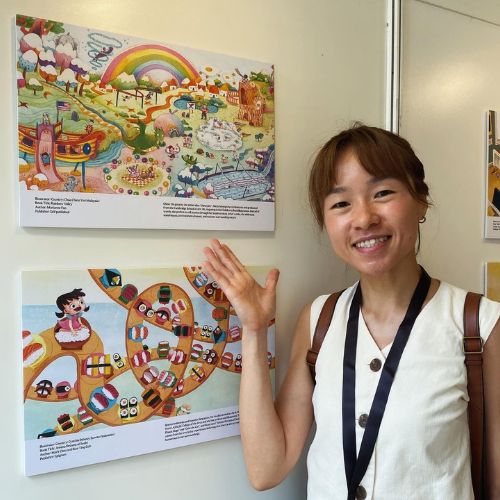
What stood out to you most in these winning submissions?
The patience and initiative to record their observations in their own unique way of storytelling.
Why did you choose these entries as winners?
Their effort in relating their observation results to their daily lives stood out to me.
What do you hope children will learn from this 30-Day Grow Hope Challenge?
Most of us are occupied with screen time in this era, and we forget our natural selves and our senses. Opening up our senses to see, listen, smell, touch, and taste brings back what humans are meant to do: connect. When you are able to connect with nature, appreciate it, and find fun in beautiful textures, you will be able to connect better with other people too.
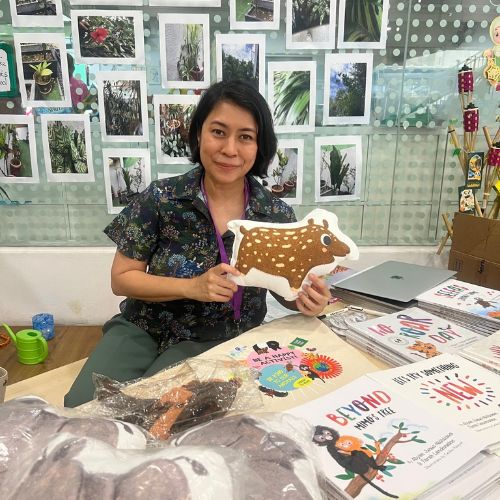
What stood out to you most in these winning submissions?
What stood out for me was the level of observation detail and the effort made by the participants to persevere until the end of the 30 days.
Why did you choose these entries as winners?
I gave high marks to those who demonstrated a good understanding of growing a plant and showed consistency and patience in their process.
What do you hope children will learn from this 30-Day Grow Hope Challenge?
Observing something for 30 days straight helps a child gain an understanding of caring for something in the long term, rather than looking for short-term gains. This dedication, combined with grit, is very much needed in our world today.

What did the children observe, discover, or do that impressed you?
Rather than merely watching plants grow, the students proactively addressed the agricultural challenges. Other than that, their creativity helped improve the presentation.
What made their observations, learning process, or personal efforts stand out?
The students showed authentic, student-driven effort—handwritten growth logs, raw progress photos, and plant measurement tables.
In your opinion, how can observing and growing a plant for 30 days help children understand nature and our relationship with it?
This activity can help students develop patience and scientific inquiry, understanding ecosystem dynamics, learn problem-solving, and, most importantly, foster environmental stewardship among students.